
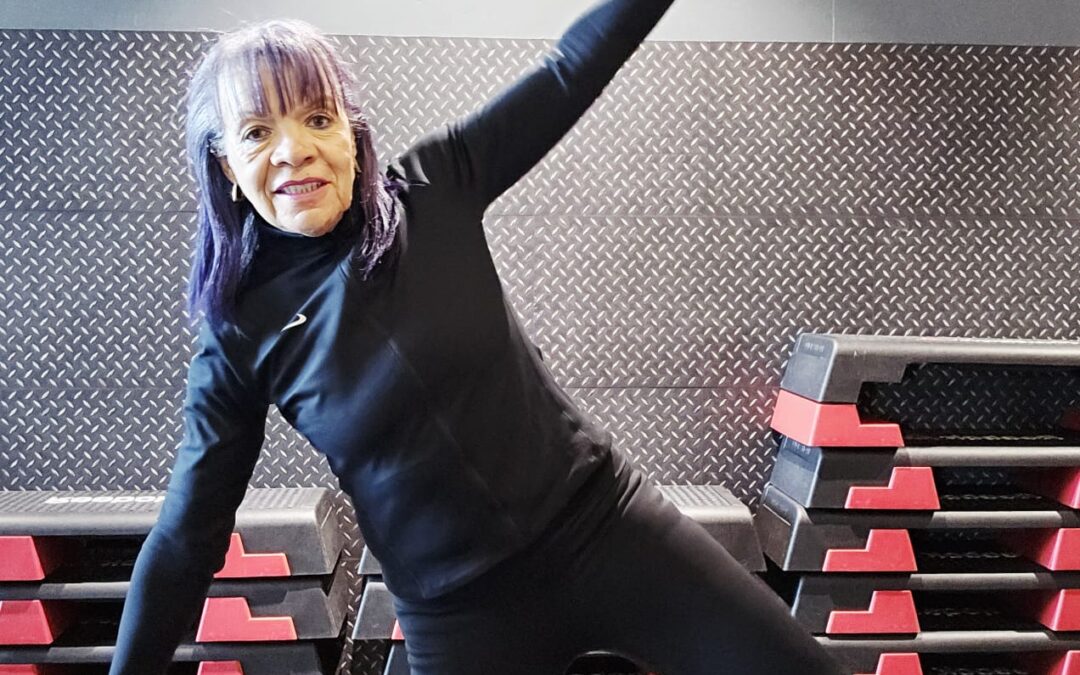
There is a lot of conversation today about the importance of strength training, particularly as we get older. And rightly so. Maintaining strength is important for our muscles, bones, independence and everyday quality of life.
But when we talk about Pilates, I think it is important that we don’t reduce this wonderful method to strength training alone.
Yes, Pilates can build strength — but Pilates is so much more than strength.
Strength Is Part of the Picture — Not the Whole Picture
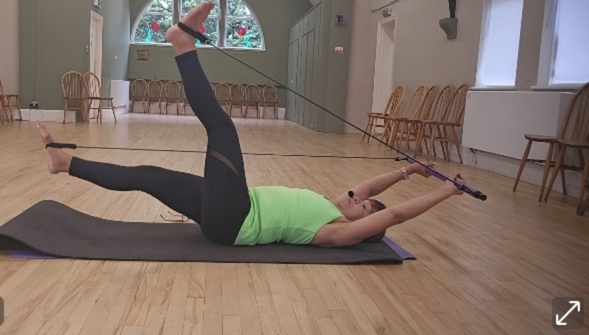
During a Pilates class, we are certainly challenging our muscles. We strengthen the core, legs, hips, back, shoulders and arms, and we can increase that challenge with resistance bands, light weights, Pilates balls and other equipment.
However, the real beauty of Pilates is the way it brings strength, mobility, balance, breathing, coordination, concentration, control and precision together.
Rather than simply asking, “How strong are you?”, Pilates also asks:
How well do you move?
How much control do you have?
Can you maintain your balance?
Are your joints mobile?
Can you coordinate your movements?
Can you connect your breathing with movement?
Can you move with precision rather than simply rushing through an exercise?
These things matter enormously — especially as we grow older.
Pilates Teaches Quality of Movement
One of the fundamental ideas behind Pilates is quality over quantity.
It isn’t about performing as many repetitions as possible or using the heaviest resistance you can manage. It is about learning to move your body with awareness and control.
A slower, well-controlled movement can sometimes be far more challenging than ten rushed repetitions.
When we concentrate on alignment, breathing, stability and precision, we aren’t simply exercising a muscle. We are teaching the body how to move better.
And that can carry over into everyday life — walking, climbing stairs, bending, reaching, getting up from a chair, carrying shopping and maintaining confidence in our movement.
Mobility Matters Too
Strength without mobility can still leave us feeling stiff and restricted.
Pilates encourages movement through a comfortable range while helping us maintain control. We work on the mobility of the spine, shoulders, hips and other joints while supporting those movements with muscular strength.
That combination is one of the reasons Pilates can be such a valuable form of exercise throughout life.
We don’t just want a strong body.
We want a strong body that can move.
Balance and Coordination Become Increasingly Important
Balance is something we can easily take for granted until it begins to change.
Pilates regularly challenges balance, stability and coordination. Sometimes this happens during standing exercises, but balance is also being developed whenever the body has to stabilise one area while another part moves.
We are teaching the brain and body to communicate.
Where are my feet?
Where is my pelvis?
Am I leaning to one side?
Can I control this movement?
Can I remain stable while moving my arms or legs?
This mind-body connection is an important part of the Pilates method.
Don’t Forget the Breath
Breathing isn’t simply something happening in the background of a Pilates class.
We use the breath deliberately.
Breathing can help us connect with the core, encourage better movement of the ribcage, reduce unnecessary tension and bring focus to what we are doing.
It can also help create that wonderful feeling at the end of a Pilates class when you feel as though you’ve worked your body but also given yourself time to concentrate, breathe and reset.
Concentration, Control and Precision
Joseph Pilates originally called his method Contrology, reflecting the importance he placed on controlling the body through the mind.
That philosophy remains at the heart of Pilates today.
We concentrate.
We control the movement.
We pay attention to alignment.
We aim for precision.
We coordinate movement with breathing.
And gradually, through practice, we develop greater awareness of our own bodies.
That is very different from simply counting repetitions.
Why This Becomes Even More Important as We Age
As we get older, maintaining muscle strength is extremely important — but so are mobility, balance, coordination, posture and confidence in movement.
We need all of these qualities to continue doing the things we enjoy and to remain as active and independent as possible.
That is where I believe Pilates really comes into its own.
A good Pilates programme can challenge strength while continuing to develop the other physical skills we need for everyday life.
So yes — let’s keep building strength.
But let’s not allow strength training to become the entire definition of Pilates.
Pilates is a complete movement method.
Strength is part of the picture.
Mobility is part of the picture.
Balance is part of the picture.
Breathing is part of the picture.
Coordination is part of the picture.
Concentration, control and precision are part of the picture.
Put them together and we have something much more powerful:
A body that isn’t simply stronger, but one that is better equipped to move well through life.
And for me, that is what Pilates is really about.
Don’t forget to sign up to my monthly News letter