
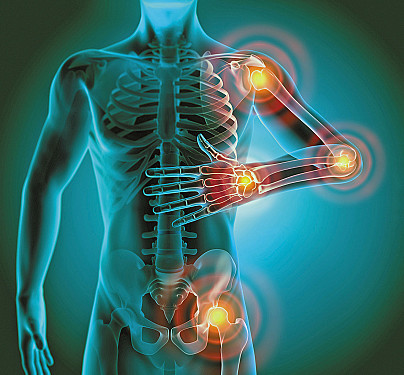
Inflammation is a word we hear often in health and wellbeing, yet it can feel confusing or even worrying.
The truth is, inflammation isn’t always a bad thing — it’s actually part of your body’s natural defence system.
The key is understanding the difference between helpful inflammation and long-term, chronic inflammation, and how gentle movement, nutrition, and lifestyle choices can support your body to feel its best.
What Is Inflammation?
Inflammation is your body’s natural response to injury, stress, or illness.
If you’ve ever twisted an ankle or had a cut that became warm and slightly swollen, that’s inflammation doing its job — helping your body heal.
This type is known as acute inflammation, and it’s essential for recovery.
Problems can arise when inflammation becomes chronic, meaning it lingers in the body for long periods, even when there’s no immediate injury to repair.
Signs of Chronic Inflammation
Long-term inflammation can show up in subtle ways, including:
- Persistent joint or muscle stiffness
- Fatigue or low energy
- Digestive discomfort or bloating
- Frequent aches and pains
- Feeling run-down or inflamed after stress
Many people experience these symptoms as part of modern life — especially when juggling busy schedules, stress, lack of sleep, and reduced movement.
What Can Contribute to Inflammation?
Inflammation can be influenced by several everyday factors:
- High stress levels
- Lack of regular movement
- Poor sleep quality
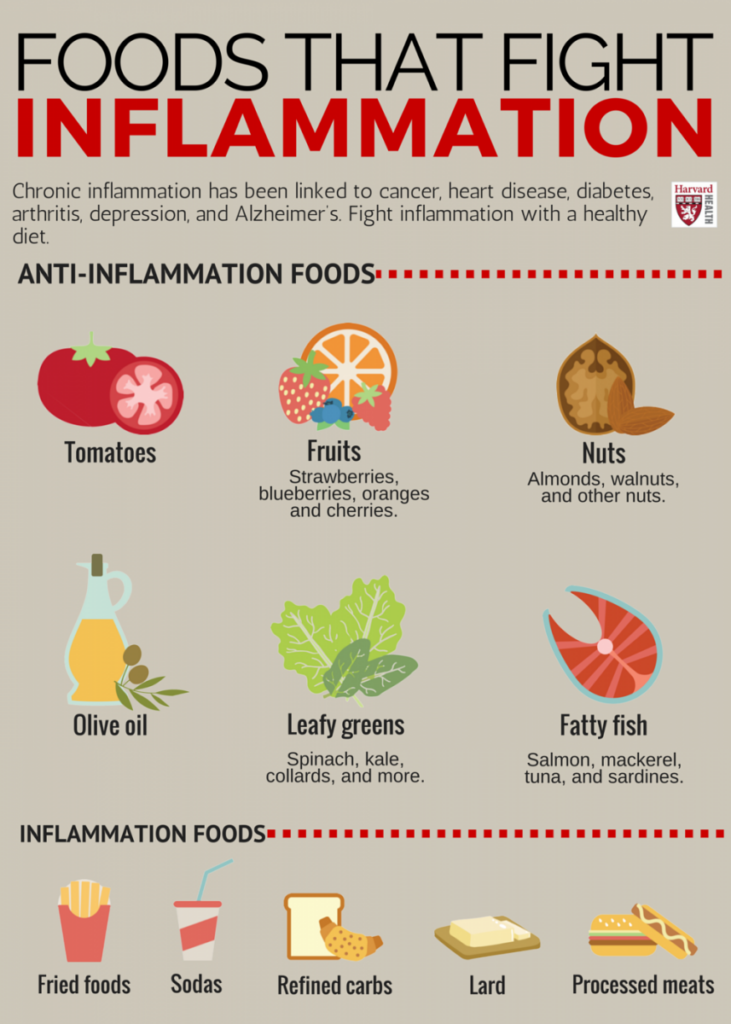
- Highly processed foods
- Sitting for long periods
- Overdoing intense exercise without recovery
The good news? Small, consistent changes can make a big difference.
How Gentle Movement Helps Reduce Inflammation
Gentle, controlled movement — such as Pilates — is one of the most supportive ways to help the body manage inflammation.
Benefits include:
- Improved circulation
- Reduced joint stiffness
- Better posture and muscle balance
- Nervous system calming through breathwork
Pilates encourages quality of movement, not force. When we move with control and awareness, we support our joints, muscles, and connective tissue — especially important as we age.
Everyday Ways to Support Your Body
Here are a few simple, realistic habits that help calm inflammation:
✨ Move little and often – gentle stretching, walking, or Pilates
✨ Focus on breath – slow breathing helps calm the nervous system
✨ Prioritise sleep – recovery is essential for healing
✨ Hydrate well – water supports every system in the body
✨ Choose nourishing foods – colourful vegetables, healthy fats, and whole foods
You don’t need to be perfect — consistency is what truly matters.
A Gentle Reminder
Your body is always communicating with you.
Inflammation is not something to fear, but something to listen to and support.
Through mindful movement, balanced habits, and a kinder approach to exercise, you can help your body feel more comfortable, mobile, and energised — now and for years to come.
💛 Small steps, taken regularly, lead to lasting wellbeing.
Gentle Pilates Exercise for Joint Pain and Stiffness
✨ Pelvic Tilt with Controlled Spine Mobility
This is one of the most effective and gentle Pilates exercises for easing joint stiffness — especially through the lower back, hips, and spine.
It’s slow, controlled, and suitable for all abilities, including beginners or those returning to movement.
🌿 Why This Exercise Helps
✔️ Encourages gentle spinal movement
✔️ Improves circulation to stiff joints
✔️ Reduces lower back and hip tension
✔️ Supports inflammation-friendly movement
✔️ Connects breath with movement
This exercise is ideal if you wake up feeling stiff, spend long periods sitting, or experience joint discomfort during the day.
🧘♀️ How to Do the Exercise
Starting position:
- Lie on your back with knees bent, feet hip-width apart
- Arms relaxed by your sides
- Spine resting in a natural, neutral position
The movement:
- Take a slow breath in through the nose
- As you breathe out, gently tilt the pelvis, flattening the lower back into the mat
- Imagine lengthening your spine rather than forcing the movement
- Hold for 2–3 seconds
- Inhale to slowly release back to neutral
Repeat:
👉 6–10 slow, controlled repetitions
Move within a pain-free range — this should feel soothing, not strenuous.
💛 Key Pilates Focus Points
- Keep the movement slow and smooth
- Avoid gripping through the glutes or thighs
- Let the breath guide the motion
- Think mobility, not force
This gentle rhythm helps calm the nervous system, which is especially important when joints feel inflamed or sensitive.
🌸 When to Use This Exercise
This Pilates exercise is perfect:
- First thing in the morning
- As a warm-up before class
- During a stretch break in the day
- In the evening to ease stiffness
Just a few minutes can help your body feel more comfortable and mobile.
✨ Gentle Reminder
Movement doesn’t need to be intense to be effective.
Consistent, mindful Pilates can help joints feel looser, supported, and more at ease over time.
Small, gentle movements create powerful long-term results.
If you like this don’t forget to sign up for my monthly Newsletter
Leave me a comment